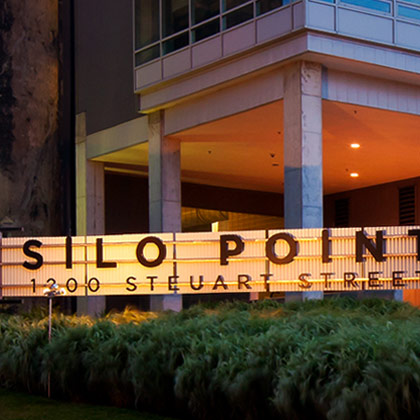


SILO POINT 1700 BEASON STREET BALTIMORE
MARYLAND 21230
Silo
Point Luxury Waterfront Condominiums in Baltimore
1700 Beason Street Baltimore, Maryland 21230 P 410.752.1241 F
410.539.4900 info@silopoint.com
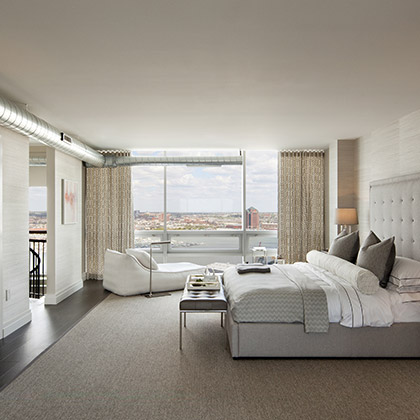
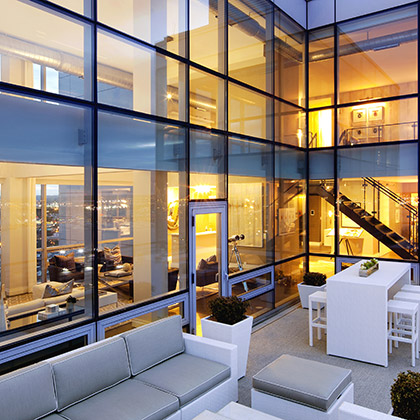
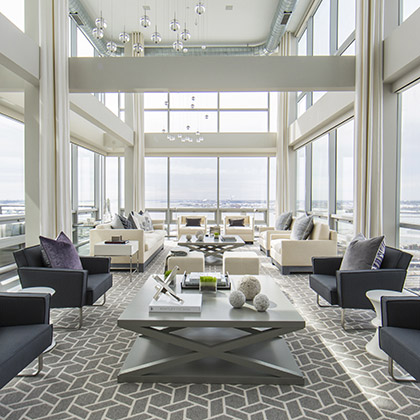
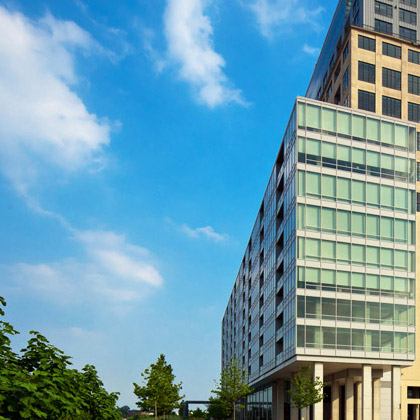
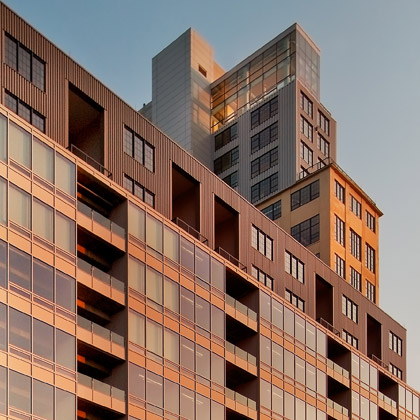
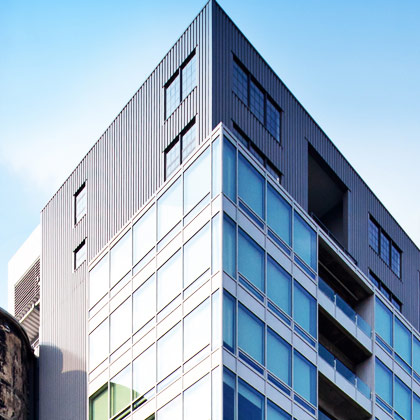
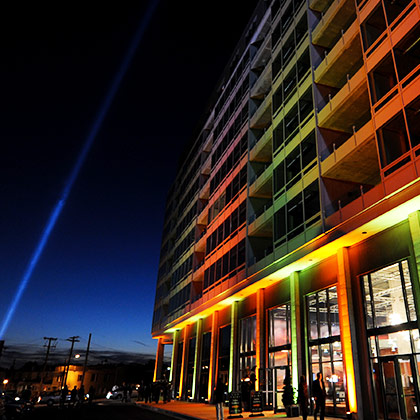
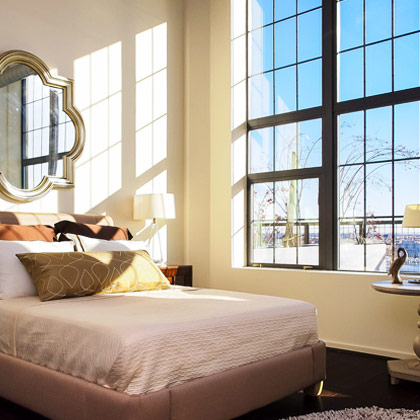
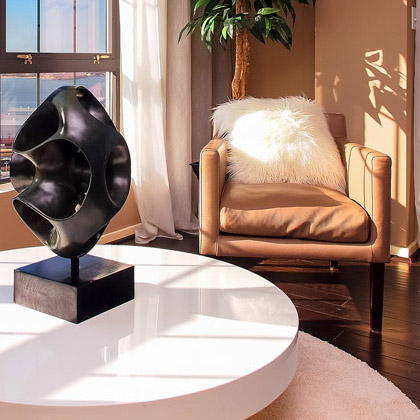
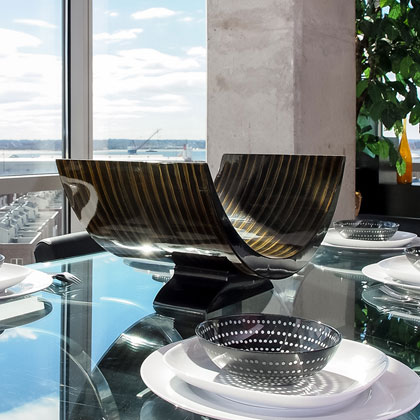
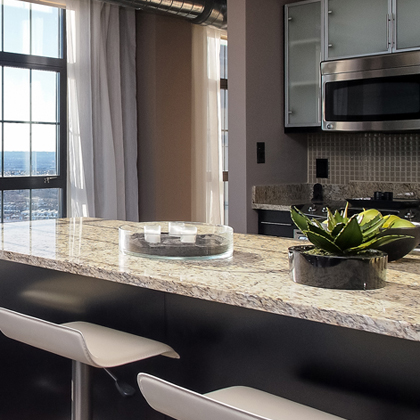
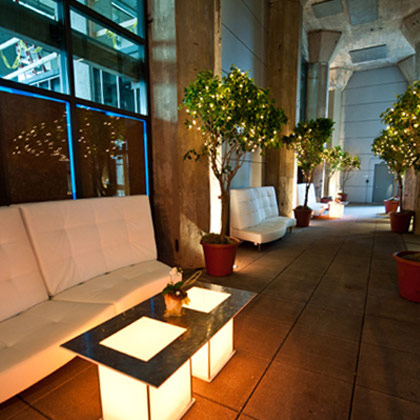
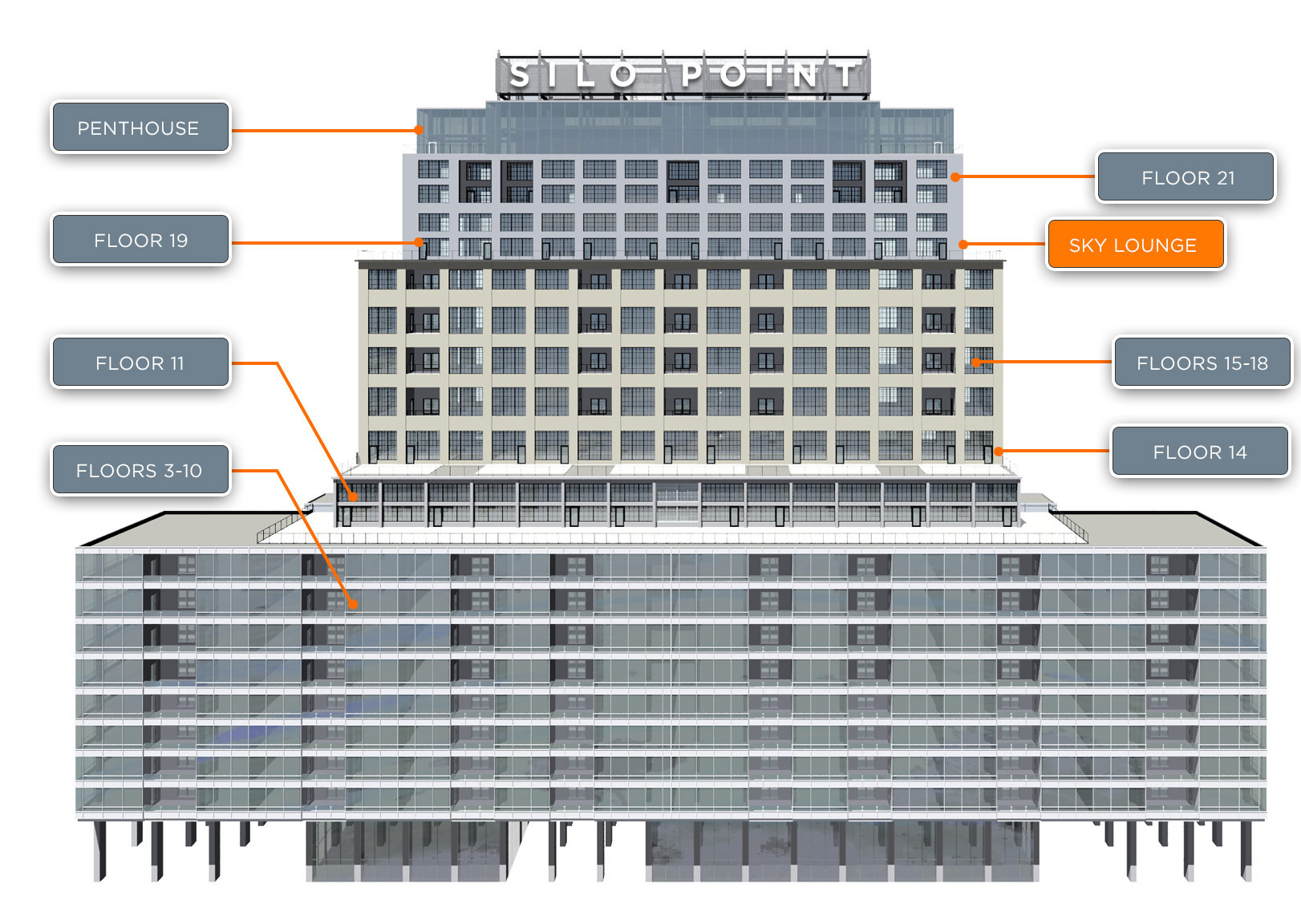
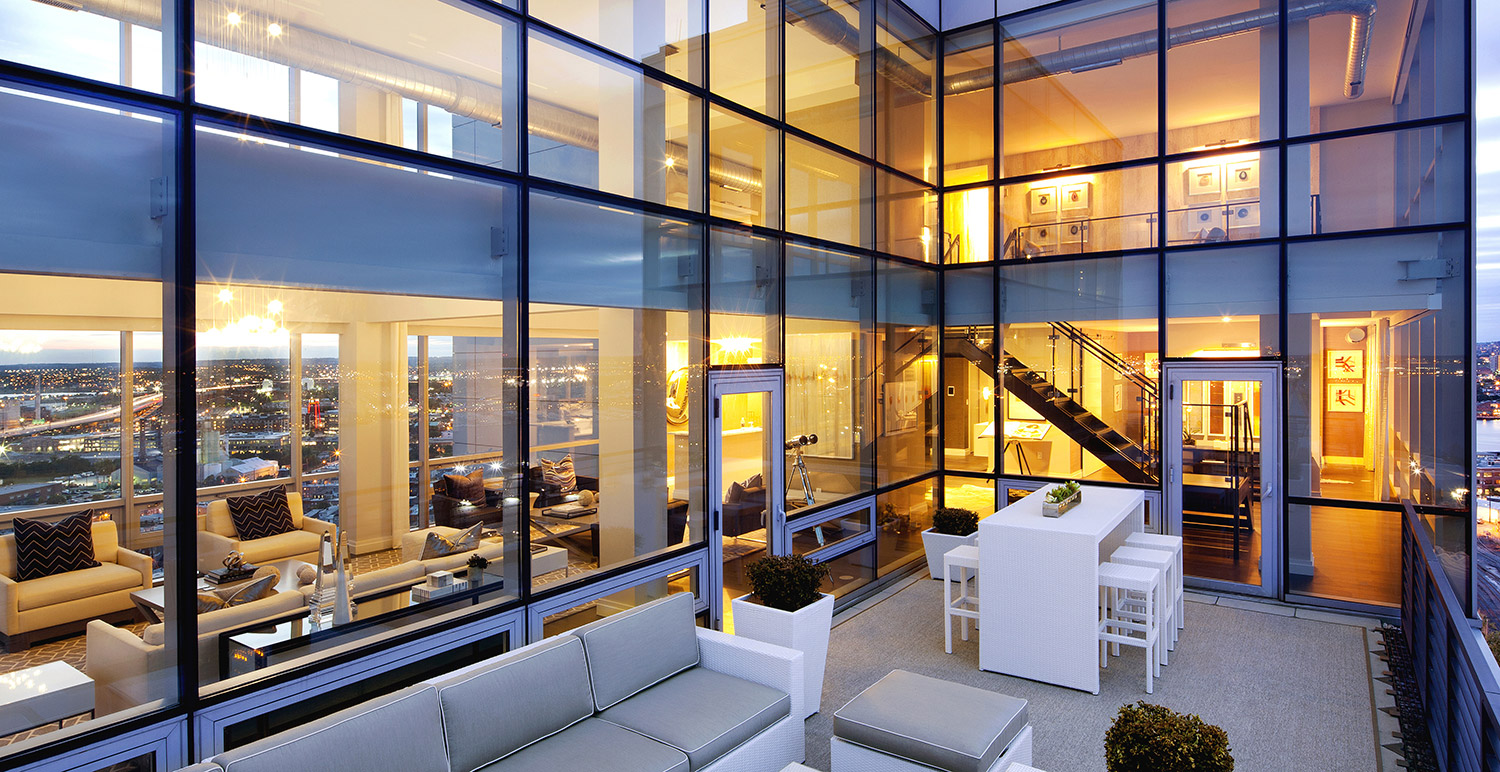
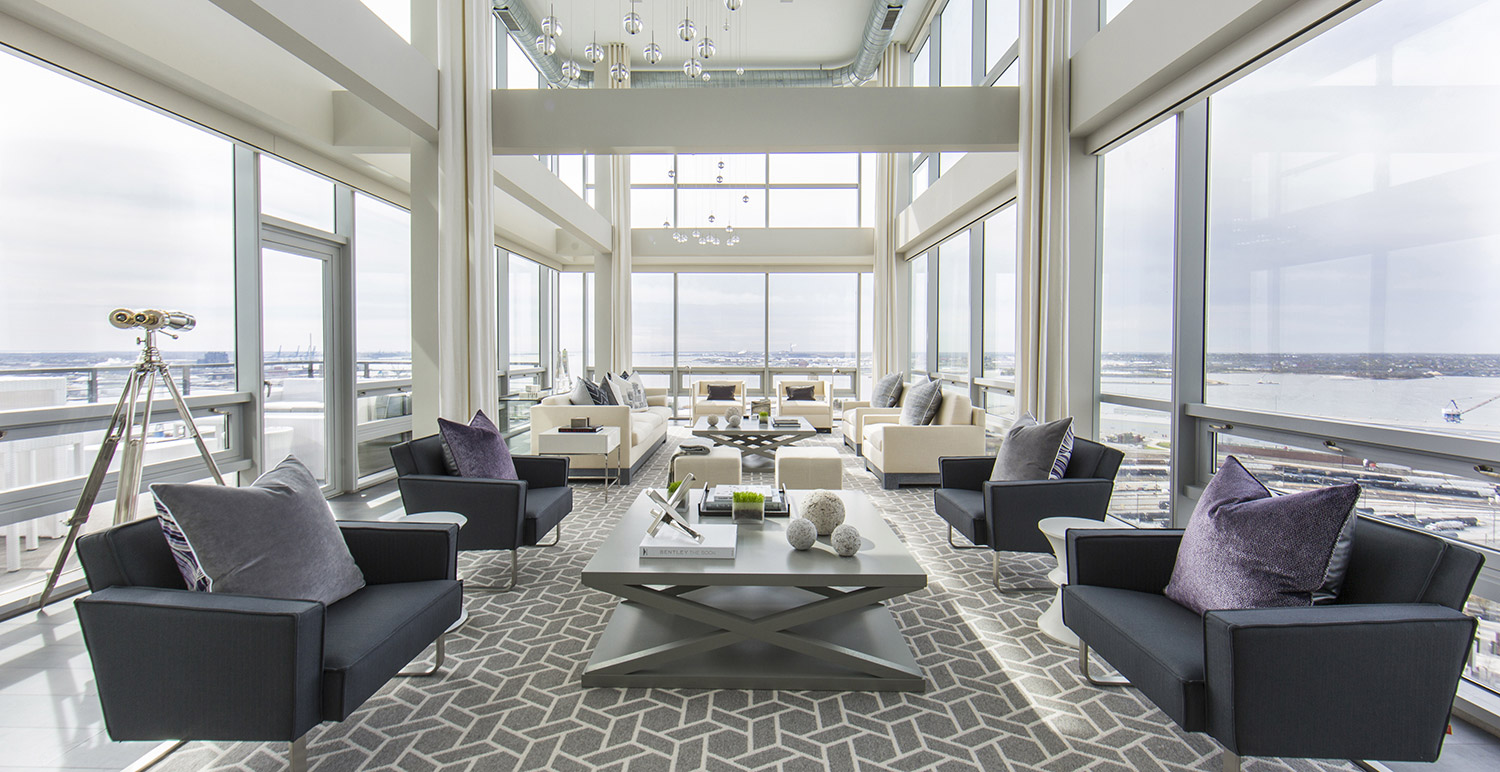
With over 200 spectacular condominium and penthouse units, an exclusive 19th floor STYLE Sky Lounge, ground floor restaurants and retail, and access to everything that the surrounding Locust Point and Federal Hill neighborhoods have to offer, these homes present an urban lifestyle beyond the ordinary.
Silo Point will be available to move in by May 2008. Be part
of life inside the city, outside the ordinary.
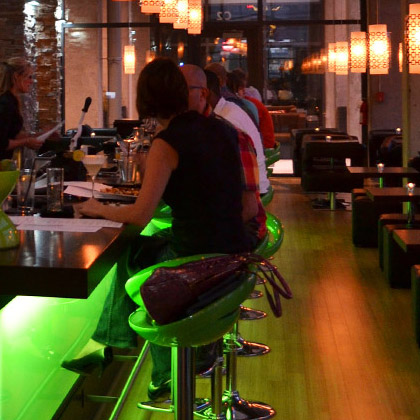
Have a drink. Get acquainted with the neighbors. Watch the
sunset over the harbor.
To experience city living at its finest, Silo Point residents need go no further
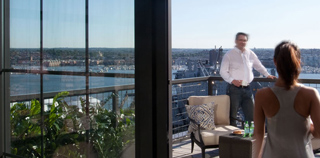
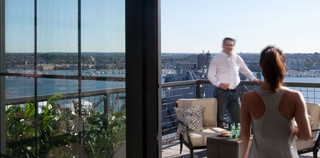
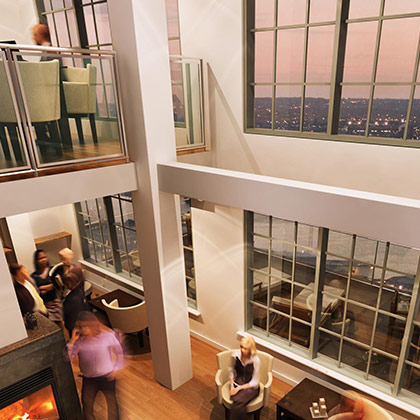
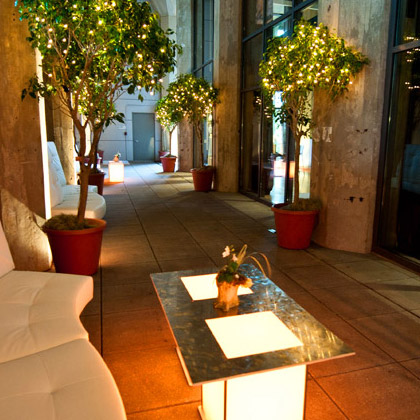
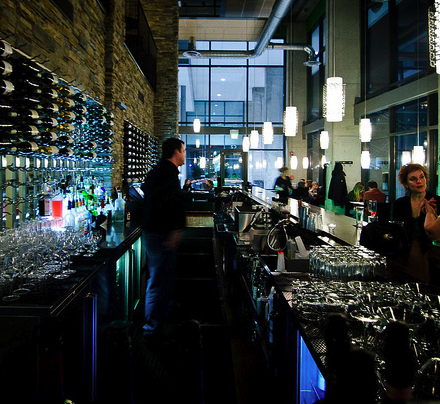
than the 19 th floor. The STYLE Sky Lounge offers an exclusive club – right
on the premises. The city skyline is your backdrop as Silo Point and STYLE
magazine have partnered up to create and experience like no other.
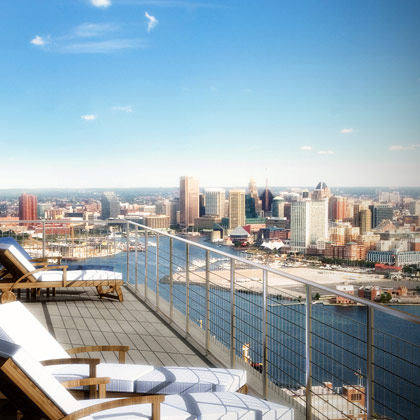
Take in the crisp evening air, or cozy up to the fire, all while enjoying 360
views of the Baltimore Harbor unattainable from anywhere else. Whether it is
a celebration, a catered party, or a private late night cocktail, the STYLE
Sky Lounge will be Silo Point's signature entertaining spot.
Check back soon for coming events….
about the developers
Turner
Development is motivated by one core idea: the best vision of a city's
future cannot ignore its past. Firmly committed to improving the urban landscape, Turner
Development specializes in creating imaginative, economically viable purposes
for the older buildings and neighborhoods that give every city its unique character.
Turner's reputation for success, with even the most challenging
and unusual projects, stems from an agile, creative approach to architectural
and planning issues. But perhaps Turner Development's most important asset
is our ability to build relationships that are vital to the success of any
project: partnering with communities, listening to neighbors' concerns, and
building public confidence.
Turner Development Group has been improving the urban landscape for over 25 years. Firmly committed to improving cities, Turner Development specializes in creating original, viable reuses for the buildings and neighborhoods that give every city its unique character.
Through a creative approach to solving architectural and planning
issues, the Turner team has transformed some very unique structures into exciting
innovative urban havens for residential and commercial use.
The Carlyle Group is one of the world's largest
private equity firms. Carlyle combines global vision with local insight, relying
on a top-flight team of investment professionals operating out of offices in
21 countries. Carlyle focuses on sectors in which it has demonstrated expertise
such as: aerospace & defense, automotive & transportation, consumer & retail,
energy & power, infrastructure, real estate, technology & business
services and telecommunications & media.
other projects
Westport
Approximately 50 acres of waterfront, the 3200 feet of waterfront property
is located on the Middle Branch of the Patapsco River in the neighborhood of
Westport. This property is the last large parcel of developable waterfront
property remaining in Baltimore City. The 50 acre mixed-use development will
be an urban destination that blends natural surroundings with a mix of retail,
restaurants, nightlife, and a live-work culture.
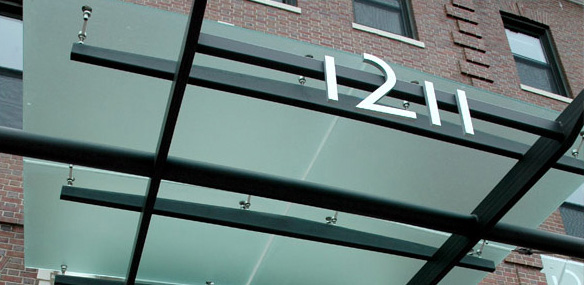
1211 Light Street
Recognizing a growing market for high-end residences in the thriving urban
neighborhood, Turner purchased the property in 2003 for restoration and conversion
into 67 luxury condominium units with a lobby, lounge/media center, indoor
basketball court, fitness center, central courtyard and roof decks. Ample parking
is available in the adjacent Wall Street Parking Garage, another Turner project.
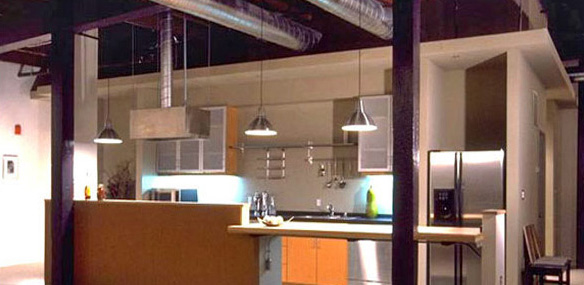
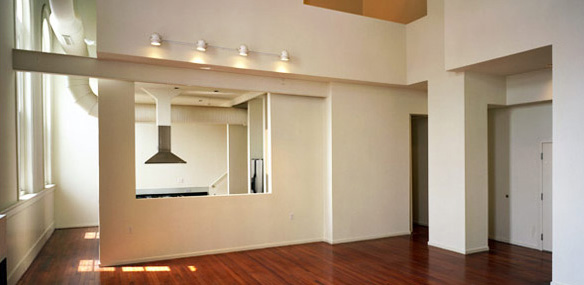
Federal Hill Lofts
The New York-style lofts (2,000-3,200 square feet) in the heart of Federal
Hill, boast hardwood floors dating from the building's 1896 opening, plaster
walls, skylights and large windows. In a nod to the building's past, the once
Southway Duckpin Bowling Center’s maple-wood lanes live on, incorporated
into breakfast nook countertops.
Holy Cross
The old Holy Cross School was a holdover from a time when even the most general-purpose
structures were executed with great care and magnificent details. The 33,000-square-foot
building sat empty for 30 years now contains large luxury condominiums (some
with 30-foot ceilings). Some of the residences incorporate the school’s
ornate auditorium stage for a striking, multi-level layout, elevating a master
bedroom and a sitting area above each unit’s living room.
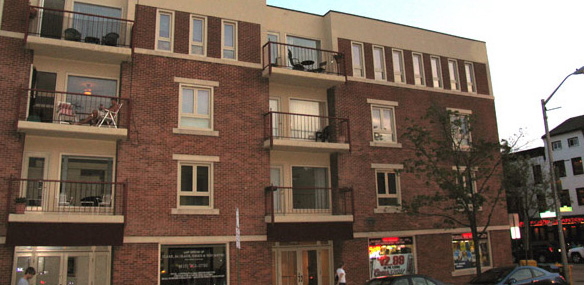
Henrietta Square
Located in Federal Hill, Henrietta Square is a mix-used development that transformed
an entire city block and played a vital role in revitalizing one of Baltimore's
oldest neighborhoods. Today, Henrietta Square is an enviable address in the
heart of a thriving downtown.
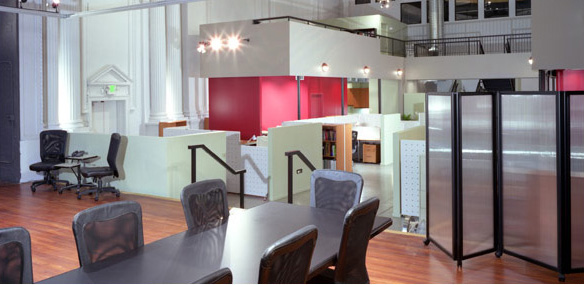
McHenry Theater
A 1917 vaudeville theater — featuring a soaring, 35-foot gold-leaf dome
which was meticulously preserved to become the centerpiece of the building's
spacious lobby. Renaissance revival style cornices, pediments, and columns
have been blended with modern fixtures to create an uncommon commercial space.
Today the McHenry Theater Office Building now contains high-tech, light-filled
office space.

silo point.com site map
Silo Point History
Floor Plans
Sky Lounge at Silo Point
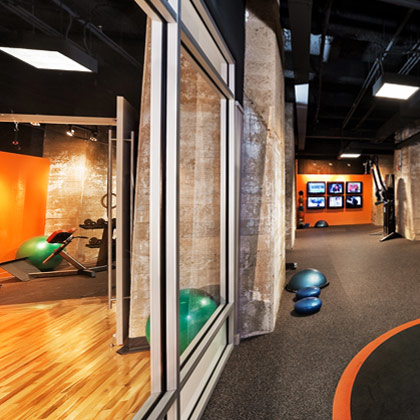
Silo Point Features and Amenities
Silo Point Location of Locust Point
Developer Turner Development Group
Contact Turner Development Group
Turner's reputation for success, with even the most challenging and unusual projects, stems from an agile, creative approach to architectural and planning issues. But perhaps Turner Development's most important asset is our ability to build relationships that are vital to the success of any project: partnering with communities, listening to neighbors' concerns, and building public confidence.
in the works
FOR DOWNTOWN, A THRIVING 2006
$1.9 BILLION WORTH OF DEVELOPMENT PROJECTS IS MOST IN MANY YEARS EMPLOYERS
OPTIMISTIC
Author: Jamie Smith Hopkins
Date: Feb 8, 2007
The Sun - Baltimore, Md.
(Copyright 2007 @ The Baltimore Sun Company)
In an article published Feb. 8 about downtown development, photo captions referring
to the Vue Harbor East and condominiums at 414 Water St. were transposed. The
photos are labeled correctly here. The Sun regrets the errors.
Development projects under way last year in downtown Baltimore totaled nearly
$1.9 billion, more than the area has seen for years, according to a report
scheduled for release today.
Much of that - about $1.6 billion worth - is still under construction, the
nonprofit Downtown Partnership of Baltimore said in its annual State of Downtown
report.
The construction work includes five hotels and nearly 1,500 apartments, condominiums
and townhouses, more activity than experts remember since a recession began
in 1990 and definitely the most since the group issued its first comprehensive
report in 2000.
On top of that, if developers' plans come to fruition, work will begin downtown
on nearly $2.8 billion in construction between now and 2010, according to the
report.
"The challenge is managing growth now," said Kirby Fowler, president
of the Downtown Partnership. He said the expected increase in the number of
workers and residents will create demand for better traffic management, public
transit and schools.
A building boom doesn't always play out the way developers expect. The increase
in downtown construction could increase vacancies downtown if it outpaces demand,
said Richard P. Clinch, director of economic research with the University of
Baltimore's Jacob France Institute. But the rise in activity is good news for
the city, he said.
After years of construction largely involving hospitals and universities, a
diverse mix of projects are under way downtown, Clinch said. He attributes
that to regional change: Suburban land is harder to come by, and what remains
costs more than it used to, making the city more competitive.
"At some point, these things do become self-reinforcing," said Clinch,
who was not involved with the Downtown Partnership report. "You're reaching
a critical mass."
Downtown's economic health matters to the rest of the city and the region because
it is a key employment center. About a quarter of Baltimore's 375,000 jobs
are downtown, according to the Downtown Partnership, which includes the central
business district, the Inner Harbor, the west side and Mount Vernon in its
calculations.
The number of jobs downtown held essentially steady last year, the group said,
dropping by about 225, a decrease that the group characterizes as statistically
insignificant because of wiggle room in the estimate resulting from data-collection
issues such as businesses that decline to participate.
The report finds that private-sector employers added nearly 1,300 jobs last
year, but government cuts of 1,500 jobs overwhelmed that gain. The biggest
job increase was in education services, closely followed by the accommodations
and food-services sector.
More businesses opened downtown than closed or left. One of the newcomers,
the software company Metastorm Inc., moved its headquarters, with about 40
people, from Columbia to new Inner Harbor office space in April and has been
delighted by the variety of hotels and restaurants within walking distance.
The company, which has about 160 employees overall, often has investors, customers
and potential clients coming in for meetings.
"From a business perspective, being located in the heart of a city is
a good thing," said Laura Mooney, Metastorm's senior director of corporate
and product marketing.
Downtown employers have high expectations for the near future. They told the
Downtown Partnership that they plan to add more than 6,000 jobs this year.
The group says that might be overly optimistic, but increases on that scale
were posted in 2005, an unusually good year.
"Some huge projects started in '06," said Bob Aydukovic, vice president
of economic development for the Downtown Partnership. "This is going to
start playing into the employment rolls this year and into 2008."
Some of the construction is transforming old offices into hotels and residences,
which is having a ripple effect. The group found that office vacancy rates
dropped to about 11 percent at the end of last year, compared with 13 percent
a year earlier, and that rents inched up. Class A space, the highest-quality
offices, rented for $25 to $30 a square foot, up from $24 to $28 at the end
of 2005.
In another apparent ripple effect, development is expanding, touching neighborhoods
that were long ignored. In communities near downtown, nearly $900 million in
construction projects were completed or under way last year, and about $3.7
billion worth were planned, according to the report.
Among the projects is the huge mixed-use community planned by developer Patrick
Turner in Westport, south of downtown.
"The prosperity is spreading from the heart of downtown outward," Fowler
said
noteworthy
WATERFRONT CONDOS PITCHED TO LOCAL, WASHINGTON BUYERS
4.11.2006
The Examiner
The new condominiu
m developments in Baltimore are high-end, sophisticated and pricey. But whether
these developments with price tags well into the millions residents remains
the open question.
“The question will be the absorption,” said Tracy Gosson, executive
director of Live Baltimore, an independent nonprofit organization that promotes
the benefits of city living. “How many units come on line at once and
how much the market can bear.”
Local real estate developers, however; are betting on the willingness of potential
residents to shell out the cash for the ambiance of city living.
Currently under construction, the 5.6-acre Ritz-Carlton Residence development,
a $250 million venture headed by Midtown Baltimore LLC features condo units
ranging from $1.2 million to $5 million. Located alongside the harbor, the
development is slated for completion in mid-2007 and more than 50 percent are
already pre-sold, according to Jack Cayre, principal of Midtown Baltimore.
He added that about a third of the buyers are from the Washington market, while
others are people who own homes elsewhere in the country and spend a portion
of the year in Baltimore.
Developers of Silo Point, a condominium project just minutes away under construction
in Locust Point, are hoping the waterfront views and the dynamic nature of
the port will lure residents, despite some units topping $2 million.
“What I see going on here is a lot of empty nesters coming back to the
urban market… it’s a strong market all over the country,” said
Patrick Turner; principal of Henrietta Development Corp, the firm heading up
the project.
“It’s all about providing the right neighborhood for them and this
is one of the best neighborhoods in the city.”
Live Baltimore’s Gosson agreed with Turner, saying that Baltimore is
actually behind the times in terms of residential development on it’s
waterfront, and she expects the new condo properties to be occupied by young
up-and-coming CEO types as well as empty nesters moving back downtown from
the suburbs.
TRANSFORMING THE OLD INTO THE NEW
11.5.2006
The Baltimore Sun
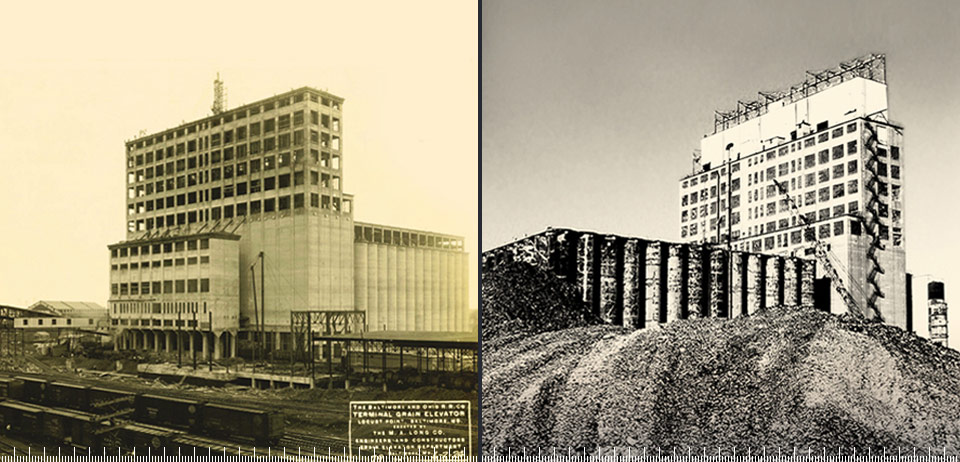
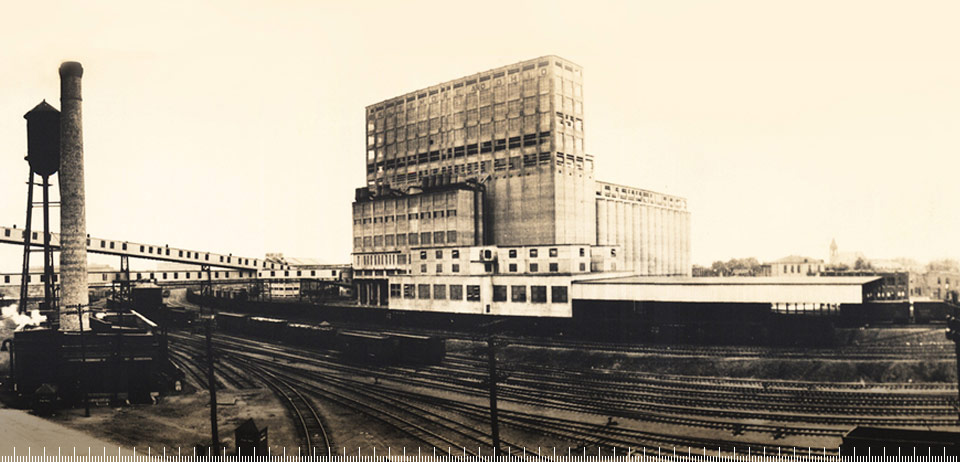
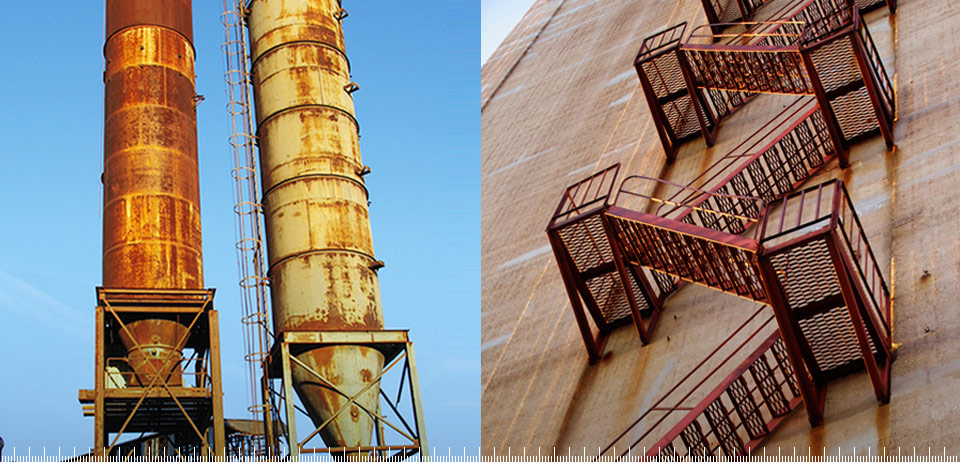
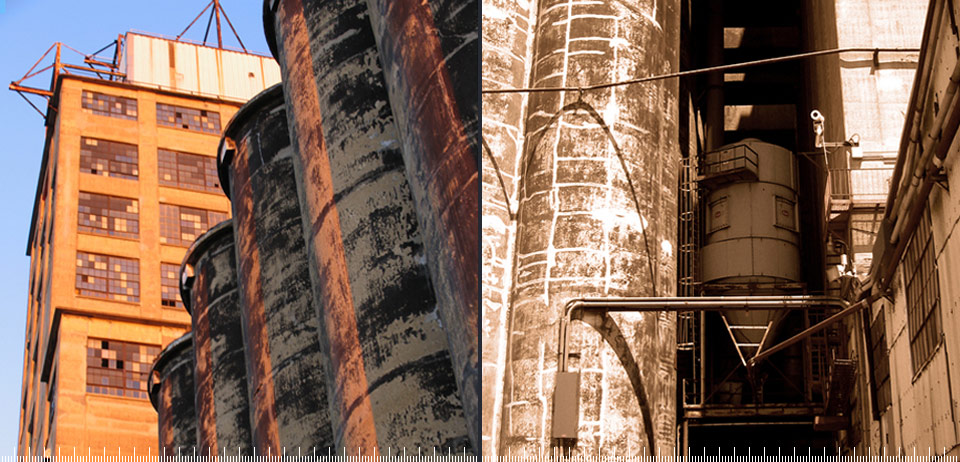
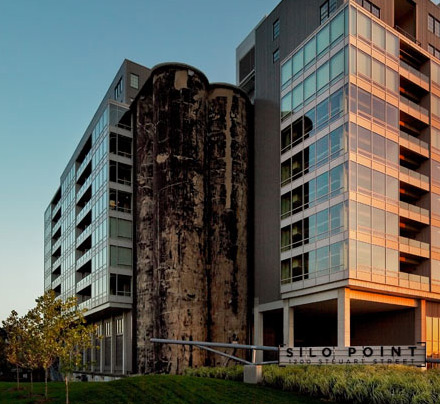
It's a giant slab of mud-colored concrete jutting nearly 300 feet into the
sky at the edge of a peninsula, an old, abandoned plant that once stored and
weighed tons of grain hauled in by rail.
Or, as architect Christopher Pfaeffle sees the former Archer Daniels Midland
grain elevator in Locust Point - with a few modifications - it's the perfect
place to watch the sun set from the living room of your penthouse.
Pfaeffle's firm has taken on the task of turning an 83-year-old grain elevator
into sleek, upscale condos. Pfaeffle said he immediately saw potential in the
slenderness and elegance not typically found in relics of the waterfront's
fading industrial past.
"I thought it would be cool to live here," said Pfaeffle, a principal
and founder of Baltimore-based firm Parameter Inc. "This would have great
views of the water."
He and his client, developer Patrick Turner, who bought the grain elevator
from ADM in 2003 for $6.5 million, envision modern lofts in the sky for the
ultra hip. Residents, they believe, will pay top dollar for cutting-edge design
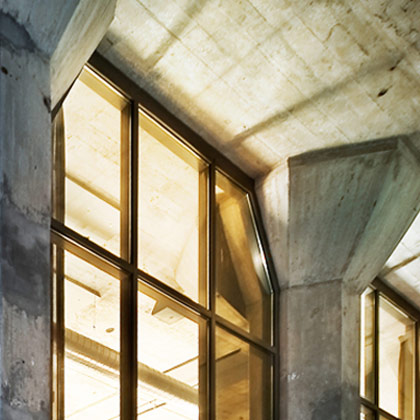
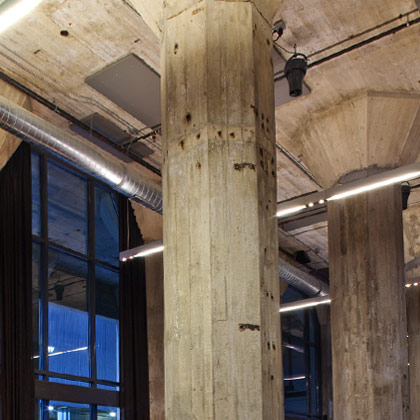
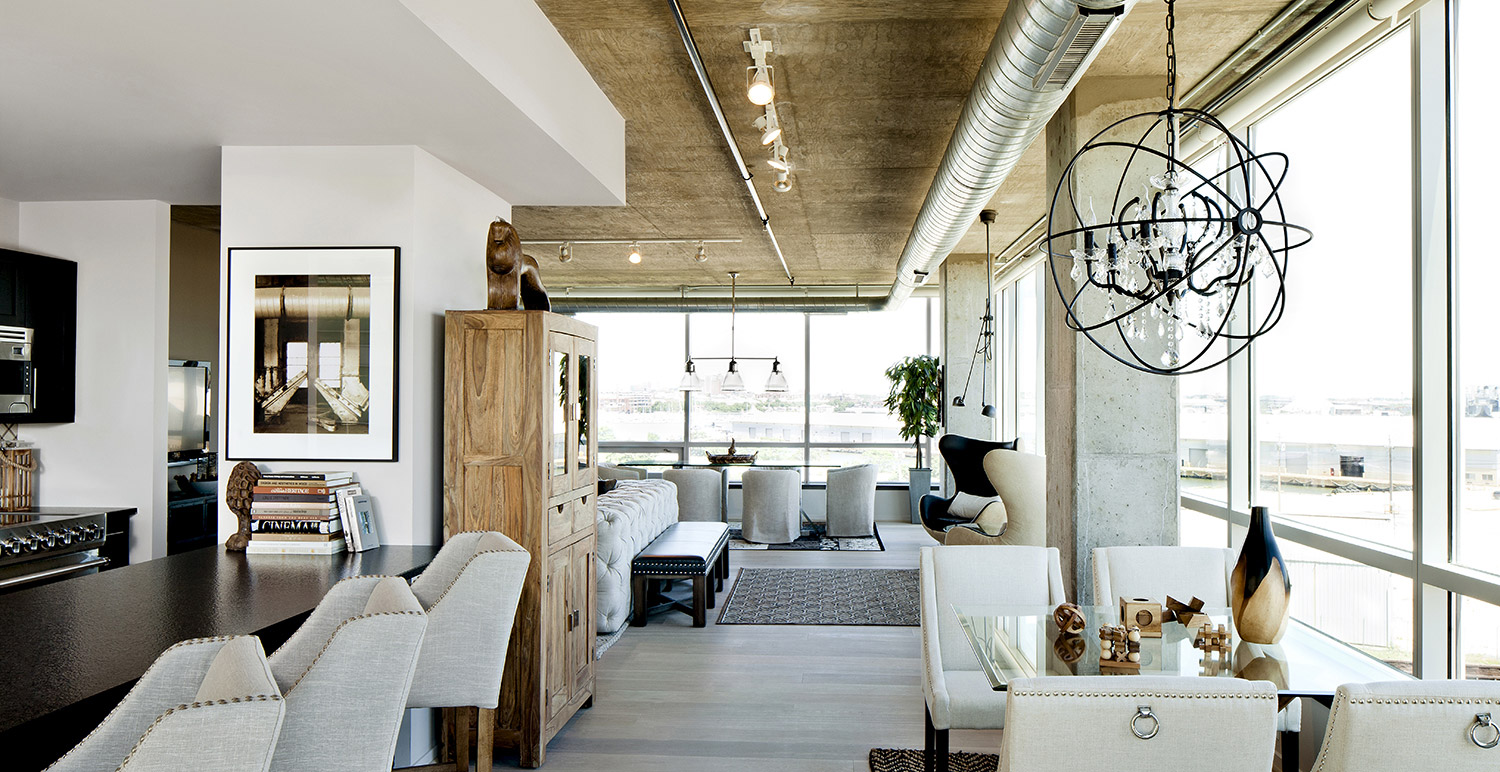
and amenities, huge windows, soaring ceilings, exposed concrete columns and
one of the most unique addresses in the city.
But first, architects would have to figure out how to remove five miles of
rubber conveyer belts and 5 million plastic cups used to move grain. They'd
have to figure out if they could cut apartments into the square, concrete storage
bins that filled about a third of the building's height and how to work around
those bins to fit in stairs and elevators in spots that would be practical
for residents.
Only one such conversion - of a Quaker Oats Co. structure in Akron, Ohio, into
a hotel - has been done. It was easy to see why. Most abandoned grain elevators
sit next to railroad tracks in industrial areas. The developer of the Crowne
Plaza Hotel at Quaker Square in Akron built round guest rooms in the silos
and carved windows in the thick concrete.
But in the end, that developer told Turner, the project had been a big, costly
pain.
Still, the Locust Point property has a lot going for it, Pfaeffle said. It
abuts a residential neighborhood and offers access to highways and downtown
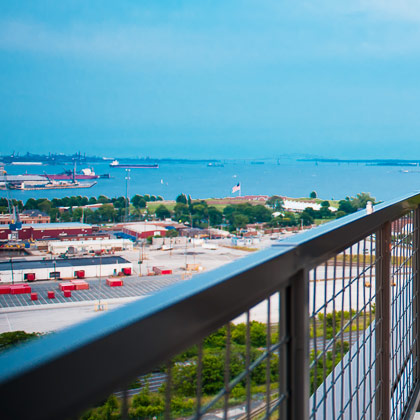
Baltimore, and has stunning harbor and skyline views.
It's on a gentrifying waterfront, where gritty industrial sites from Canton
to Locust Point are giving way to glitzy condos and apartments.
Since Silo Point used to be a food plant, there were no environmental hazards
to clean up. And the original working drawings of the plant had remained on
site, showing that the building could handle the load of the new apartments.
Obstacles exist
But the road map from grain elevator to condos was hardly clear- cut or free
of obstacles.
The difficulty in most conversions comes in trying to match a new use with
an old building and adapting the building to meet modern housing codes, said
Adam Blumenthal, executive director of the Baltimore Architecture Foundation.
That becomes even more of a challenge when converting a single-function building
.
"It's not like the Hippodrome or Clipper Mill or the Can Co.; it's a very
industrial building built to do one specific job," Blumenthal said. "Part
of what makes this project so unique is the building is so inflexible. An architecture
firm doesn't have experience doing this. Only one or two of these come along
in a career."
From the start, Silo Point's designers strove to retain a symbol of the city's
industrial past while making it habitable, to create an upscale and contemporary
look without wiping out all remnants of the plant's former use.
The more he learned about how the 1923-era grain elevator had housed grain,
Pfaeffle said, the more he became convinced it could house people.
Trains used to haul the grain directly to the 290-foot elevator, with its web
of conveyor belts and bins and narrow catwalks. There, the grain was dumped.
Rubber belts with plastic cups that scooped up the grain moved through vertical
metal shafts to the top of the building, where the grain was weighed. Then
it was stored in a separate building with cylindrical silos 112 feet tall.
"In a way, we'll be moving people and goods in the same way as the grain,
in from the bottom, up on elevators and across glass bridges to the parking
garage," Pfaeffle said.
A big question loomed about whether apartments could be carved into the 100-foot-deep
concrete storage bins. These 60 bins, each 12 feet square, were made of poured
concrete and supported the building.
"How do we put apartments or condos in these bins?" Pfaeffle said
designers wondered. "One hundred feet equates to 10 floors, and that's
a lot of potential real estate to not be using."
An early study looked at ways to cut holes in the bins. The sequencing of such
a project would be crucial. Cutting holes in the bins, then installing floors
would cause structural damage, while cutting holes in every other bin, and
installing floors in that sequence would not.
After three months of working with structural engineers, the team determined
the cost associated with using the bins would break the budget. They were forced
to consider other options.
"As you're going through, you see signs you may not be able to do this.
Still, you get into denial for a while," Pfaeffle said. "But ultimately
we needed to go through the process and understand what was involved.
"Even though we emerged not doing that, we knew beyond a shadow of a doubt
we couldn't do it."
It became clear that only through additional new construction could the tower
fit enough apartments to make the project work financially.
"At that moment, we started talking about doing `wrap' buildings," around
the elevator building, Pfaeffle said.
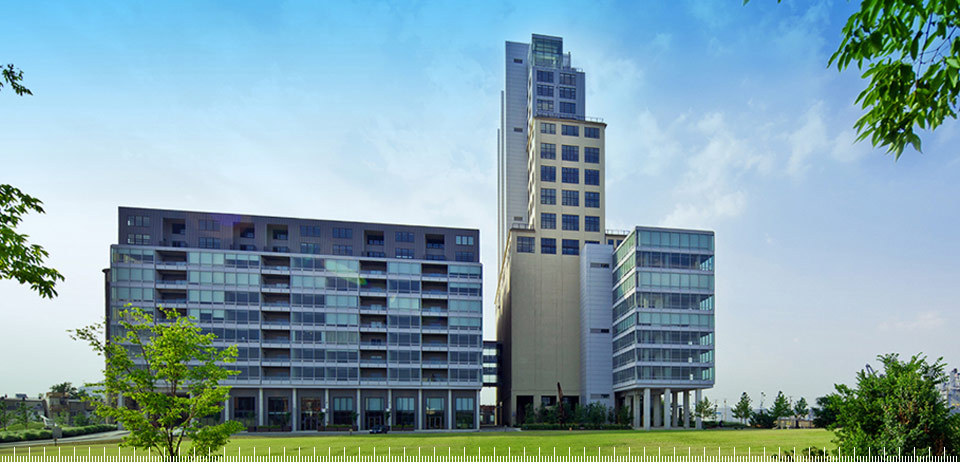
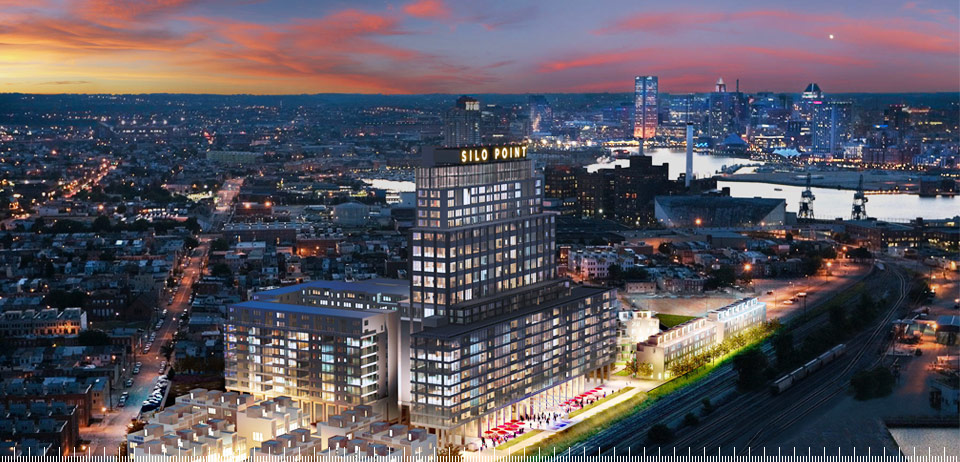
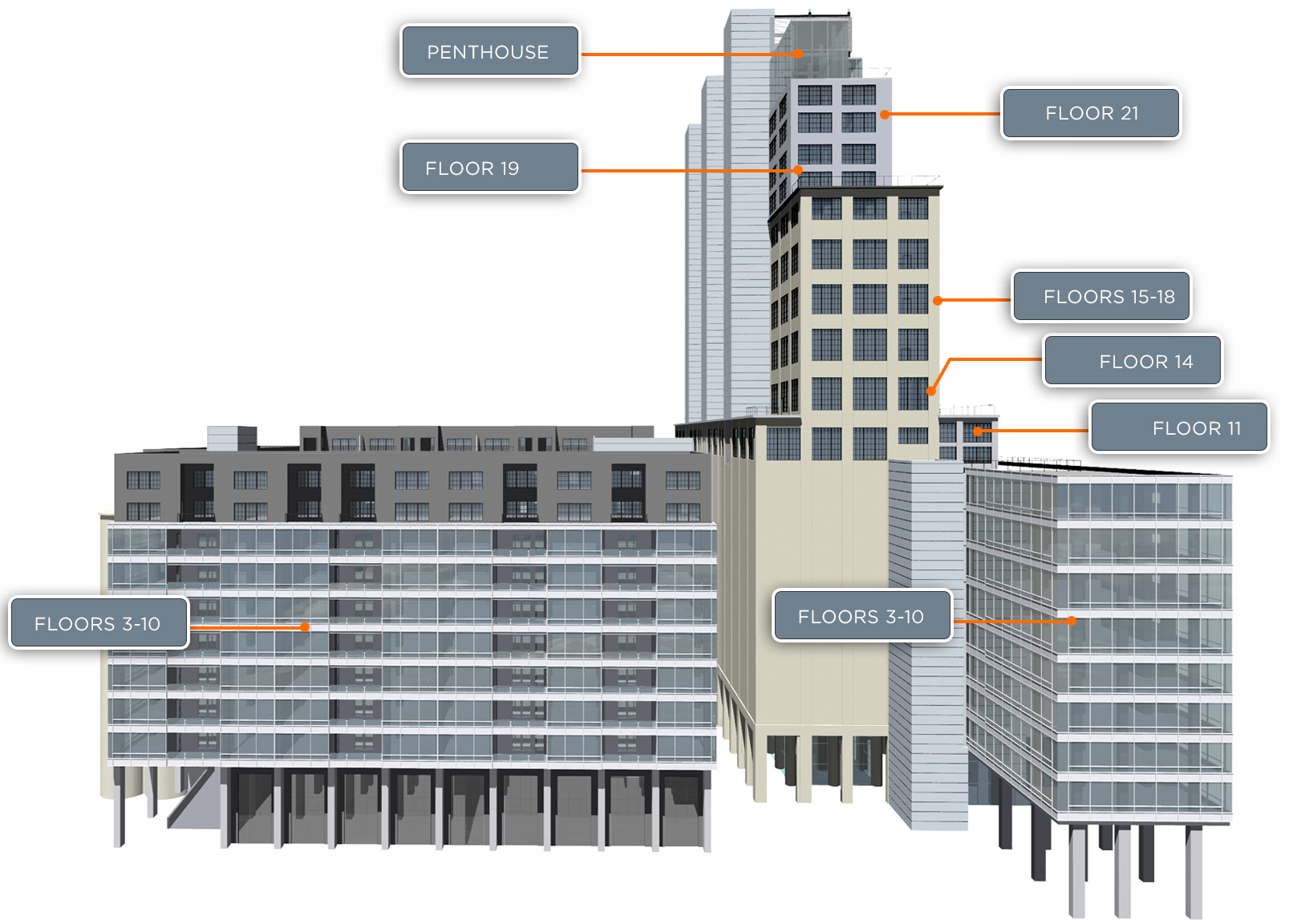
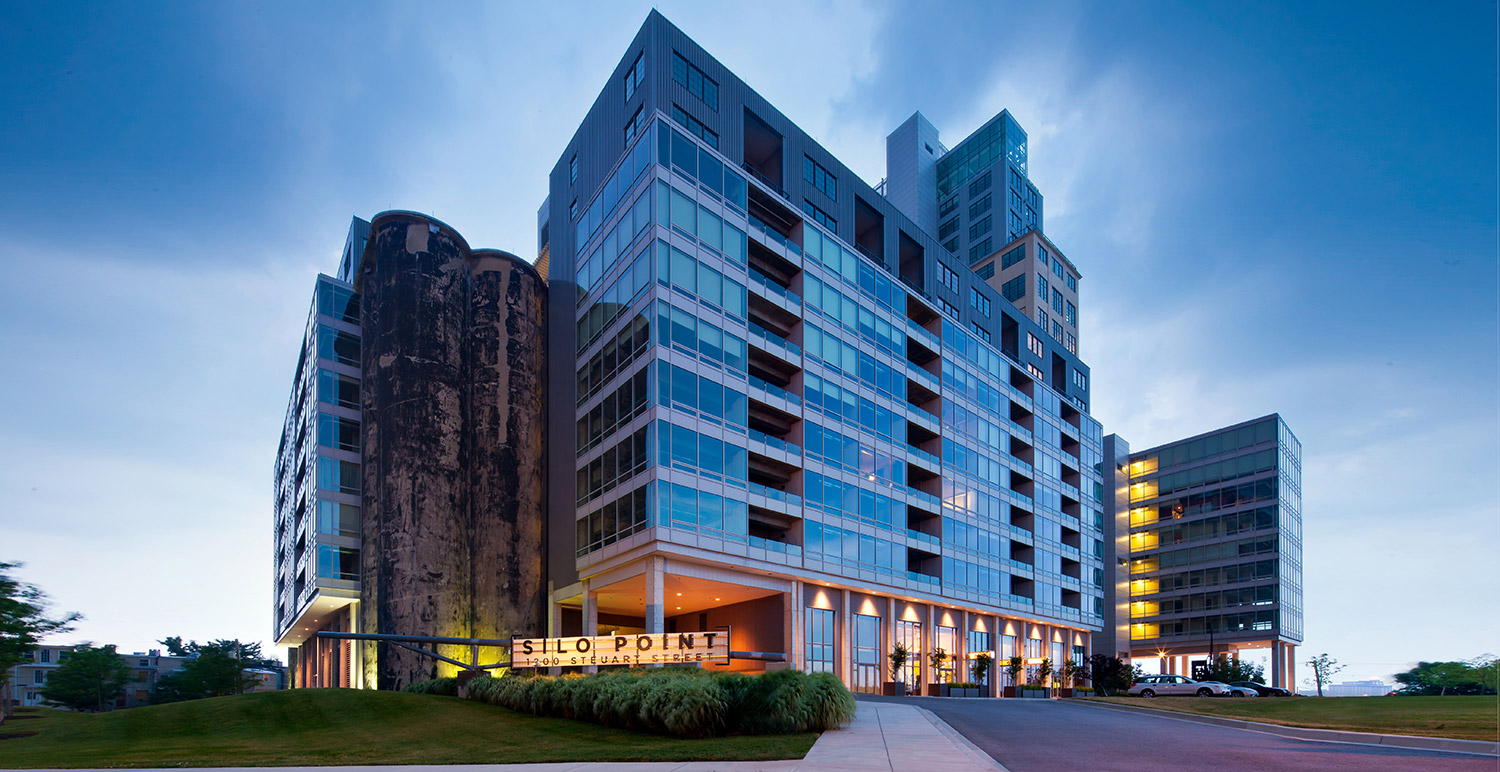
Architects came up with a new plan to fit 24 stories into the tower above a
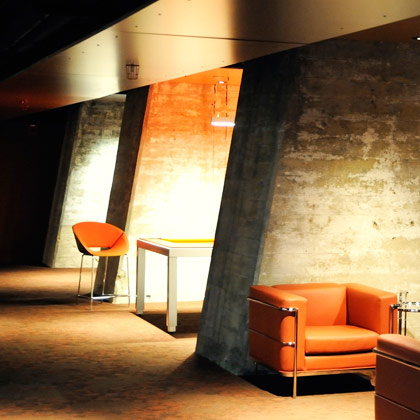
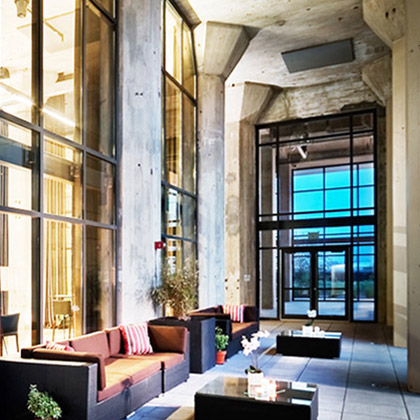
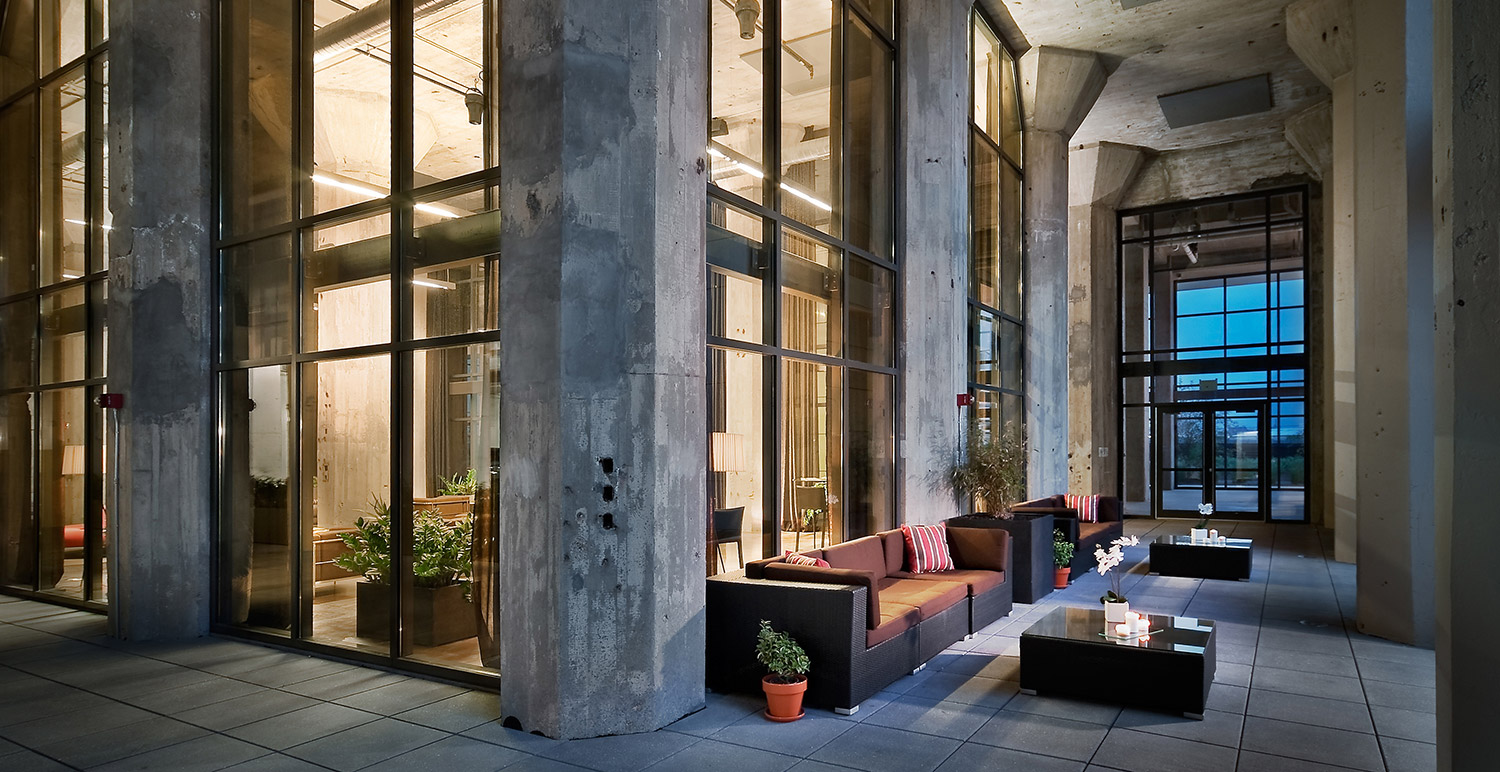
soaring 27-foot-high lobby that would preserve the immense, octagonal concrete
columns and a ceiling pockmarked with the pattern of openings from the original
shafts. Forty six apartments will go in the tower, including 11 two-story penthouses.
Another 182 units, two-level and three-level townhouses and condominiums, will
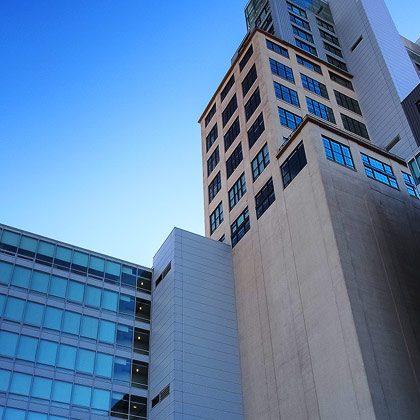
be built as part of a 13-story, concrete and glass low-rise that will wrap
around 12 salvaged silos.
Developers had hoped to preserve most of the 187 original silos, removing only
those in the center, leaving the outer row intact and building a parking garage
inside. But because of structural problems, most were demolished. A 600-car
garage will be in the center of the silo building, which will also house a
health club.
While the architects were revising design plans, workers demolished the innards
of the tower, including steel walkways and vertical shafts. Crews removed 400
tons of steel.
That work was highly specialized and dangerous.
"You have to find a specialized demolition contractor who understands
how to take apart machinery," Pfaeffle said.
Workers used torches to cut open the ducts and remove them. But the rubber
belts were highly flammable.
"The sparks from the torches would hit the belts, and so they had to continually
hose them down while they were working and after they left," Pfaeffle
said.
Turner said he expects to kick off sales early next year and hasn't set prices
yet.
A successful conversion can help preserve a memory of the building's former
use, said Ralph Bennett, a professor of architecture at the University of Maryland.
"The disappearance of commerce from the south side of the harbor is something
worth noting," he said. "If we're not careful, that legacy will disappear."
Pfaeffle said he hopes to show clear distinctions between the old and the new,
the rough, industrial edges juxtaposed against crisp clean lines in buildings
with metal exteriors. He intends subtle suggestions of how the building was
used, exposing a bit of steel or concrete rather than plunking a piece of the
old building in a lobby. Residents who cross a glass bridge to the garage will
walk through an opening cut in the silos.
`Basilica to industrialism'
"This is a basilica to industrialism," Pfaeffle said. "I'd like
people to walk into the lobby and get a sense of the vast industrial space.
We're always trying to tell the story of what was there and what's not there."
On a late September afternoon, the day's construction on Silo Point was drawing
to a close. Parameter partner Jim Smith watched from his office window overlooking
the site as workers put in columns for the silo building. After Turner bought
the plant, he moved his office into its former operations center on Beason
Street, and Parameter moved there too.
Samples of exterior metal wall panels hung in Parameter's studio. The architects
had narrowed dozens of shades of gray to three that will be used and were about
to order custom color samples to show Turner.
In another office, bath fixtures lay scattered across tables and on the floor,
fodder for thought as the team selects the interior package for the condos,
from bath tile to kitchen sinks and refrigerators. The project requires hundreds
of decisions, big and small. The color of the window caulking. The shade of
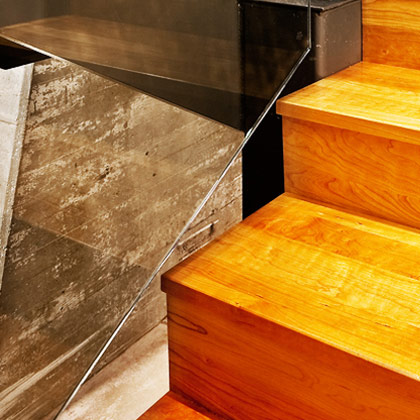
the cherry wood accents in the lobby. The best type of bolt to hold the steel
together. And on and on. In most cases, not only the architects but the construction
manager and the owner must agree.
Once decisions are reached, the architects believe there's no looking back.
Pfaeffle says he feels confident in how the design is adding up.
"We can never take decisions for granted," Smith said. "Every
time you turned and studied a different part of the building, it warranted
a little more thought and sensitivity to coax out what will be a remarkable
building."
DEVELOPER 'OPTIMISTIC' SILO POINT WILL
BUCK MARKET TREND
12.15.2006
Baltimore Business Journal
Despite a nationwide slowdown in the housing market,
Baltimore developer Patrick Turner believes the city, and South Baltimore
in particular, remains a fertile place for new development.
His Turner Development Group expects to complete its $128 million, 228-unit
condominium project at Silo Point by spring 2008, and Turner said he is confident
housing demand and the uniqueness of his project will be welcomed by Charm
City residents.
"I'm one of those optimistic types that doesn't see Maryland as being
that bad off," he said. "We see a steady growth."
Bill Cassidy, sales manager of the Long & Foster office in Fells Point,
said there have been a large number of new residential developments in the
city over the past year, nearing an "oversupply." But within that,
the condominium market has been underserved and is still in high demand.
Cassidy said there has been an increase in the number of young professionals
and empty-nesters looking for places in the city, making developments like
Silo Point ideal for those groups of potential buyers.
Construction at Silo Point started earlier this year and is on schedule, Turner
said. When finished by March 2008, the redevelopment project in Baltimore's
Locust Point neighborhood will include 228 condominium units divided between
a 300-foot grain elevator and an accompanying 13-story building connected by
a glass bridge.
The project also will include about 25,000 square feet of retail space and
structured parking integrated into the grain elevator.
There will be 24 stores built into the grain elevator, and Turner said it will
likely be one of the only residential developments in the city where people
will be able to watch the sunrise, and sunset, from the confines of their living
room.
"You can live anywhere in the world, but you can only live in one grain
elevator," Turner said. "We already had the existing tower there,
and what we're doing is building within it."
MacKenzie Capital LLC has arranged financing for the project. Turner said the
lender is Fremont Investments of California. He said he is not pre-selling
any of the units, which are expected to sell from $400,000 to more than $1
million, and that he believes word-of-mouth advertising will work to his advantage
once he begins to market the project to potential buyers.
"You build more excitement up that way," he said.
Turner also has been contacted by restaurants interested in moving into the
development's retail space, but he said he will not select specific retailers
until around the time the work is expected to be completed. At that time, he
said, he also will consider filling out the rest of the site, which has enough
room to develop another 150 residential units, 150,000 square feet of office
space and another 25,000 square feet of retail space.
In addition to its plans, Turner sold a portion of its 7.5-acre property to
Pulte Homes in March 2005 for a combined $3.6 million, according to state assessment
and taxation data. The Bloomfield Hills, Mich.-based home builder has already
constructed 97 of its planned 121 townhouses at 1900 and 1902 Fort Ave. The
McHenry Point homes entered the market at more than $600,000, but the advertised
asking price has since been reduced and now starts in the upper $400,000 range.
CONDOS PLANNED FOR BALTIMORE GRAIN ELEVATOR
11.30.2006
Preservation Online
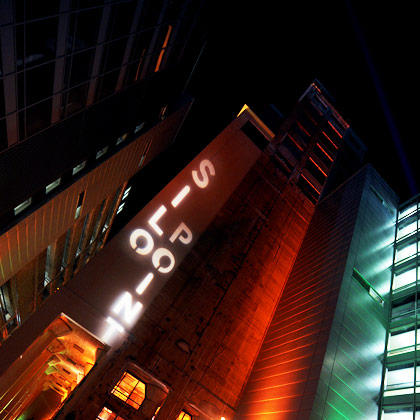
Is it possible to live in a grain elevator? In Baltimore, an 83-year-old grain
elevator is being transformed into 230 luxury apartments, and its developers
plan to retain many of its features to remind tenants of its industrial past.
When the Archer Daniels Midland Co. grain elevator was built in 1923, it was
the world's biggest and fastest. Today its 290-foot tower is the tallest in
Silo Point, on the South peninsula of Baltimore. Other than the elevator, the
defining features of Silo Point are 187 silos— large, cylindrical tubes
130 feet tall and 16 feet wide—used to store grain. The Archer Midland
elevator was still partially operating when Baltimore-based Turner Development
bought the 15-acre site in 2003 for $6.5 million. Turner is in the process
of converting Silo Point into apartments and retail space, to be completed
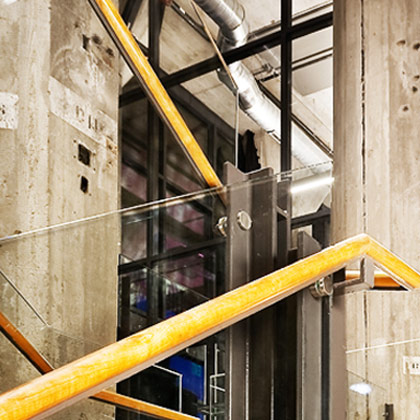
in March 2008. Its plans include exposed elevators and shafts to showcase the
structure's original use. It also will leave the lobby as it was when Silo
Point was a grain-storage facility, retaining the original octagonal concrete
columns and 27-foot ceiling. Turner Development will preserve 12 of the 187
silos. Last year it sold several acres to Pulte Homes, which is building about
120 townhouses on the site. "You can't reproduce the character of old
buildings. They have a uniqueness that is appealing-people would rather live
here than in a character-less box," says Patrick Turner, president of
Turner Development. "Silo Point a one-of-a-kind place to live in in the
world." Turner Development and architect Christopher Pfaeffle have turned
a 1920s bowling alley into apartments and a vaudeville theatre into office
space. But turning a grain elevator into lofts is tricky. There has been only
one other similar renovation: A Quaker Oats plant was converted into a hotel
in Akron, Ohio. "The challenge in renovation lies in the compromises with
what you have to work with in the building and what needs to go in there, but
this is what makes these spaces so much fun," says Pfaeffle, Silo Point
architect. "I'm not limited to the norms of construction. Because there
is an existing infrastructure, it allows a more creative use of that space."
SCENIC VIEWS, FROM ATOP A SILO
5.20.2006
The Washington Post
Imagine a grain elevator, once the biggest and fastest in the world, jutting
290 feet in the air. Sitting on a peninsula surrounded by working ships, yachts
and sailboats. Right next door to a major historical site and across the harbor
from a downtown marketplace.
Now imagine that elevator sheathed in glass and metal and converted into about
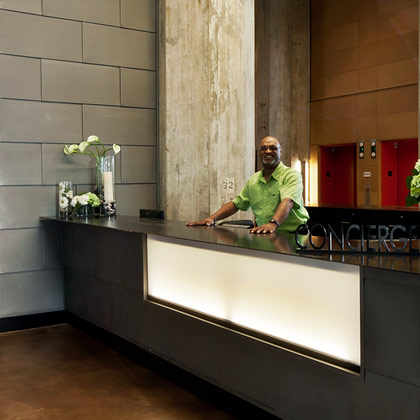
230 condominiums. Inside, a new lobby, with a restaurant, coffee shops and
a front desk, rises 130 feet. It's the same height the main floor was when
the elevator operated for some 70 years, carrying processed soybeans, corn
and wheat from rail cars to surrounding storage silos and from the silos to
oceangoing vessels.
Hard to picture?
Not for Baltimore developer Patrick Turner, who envisions a residential reincarnation
of the boxy elevator building and silos used most recently by Archer Daniels
Midland Co., one of the world's largest processors of soybeans, corn, wheat
and cocoa.
Turner says he believes the one-of-a-kind venture will be hard to resist. "The
views are incredible, it's right off I-95, and you're just a few minutes from
downtown Baltimore."
He adds: "You can live in a historic condo anywhere in the world, but
there is no other grain elevator in the world where you can live." (There
is a converted Quaker Oats plant in Akron, Ohio, where you can sleep in a silo,
dine in a mill and shop in a factory, but no reports of residential uses, according
to a local architect contacted through the American Institute of Architects.)
The Baltimore complex, Silo Point, sits in Locust Point, a once- gritty blue-collar
neighborhood next to historic Fort McHenry. It faces Baltimore's downtown,
trendy Federal Hill and the Inner Harbor tourist complex on one side, the fort
on another, and a brand-new city marine terminal and Interstate 95 to the south.
A deteriorating terminal is across the train tracks from the complex on the
harbor side, with abandoned piers and a rusting hospital ship, but Turner says
the tracks are no longer used and the ship will soon be removed.
On a clear day, Turner says, "you can see the planes landing at BWI and
the Loch Raven Reservoir" to the north about 20 miles.
Turner's company has started building and selling 121 townhouses nearby in
partnership with Pulte Homes Inc., and is ginning up now to market Silo Point.
In a recent interview, he gushed about the condo units in the elevator building
itself -- he calls them "lofts in the sky" -- and about top floors
with panoramic views. The project will also have condos wrapped around the
elevator tower, a 550-car garage linked by a bridge to the tower, and two-level
and three-level townhouses sitting atop the garage.
Silo Point is still a bit hard for visitors to comprehend initially, Turner
says. But he's taken "hundreds of them" through the abandoned "lobby" and
then up 130 feet in an old claustrophobic workers' elevator to the level where
the tower condos will start. After visitors climb another four levels of open-tread
stairs to get to the roof, he says, "pretty much everyone has the same
comment, which is 'wow.' " For those afraid of heights, a warning: Don't
look down if you have a chance to climb the steps. Also, the roof penthouses
that don't exist yet are already spoken for: by Turner.
The lobby will feature the original octagonal columns that supported the elevator's
concrete slab floors and its Rube Goldberg system of shafts and conveyor belts.
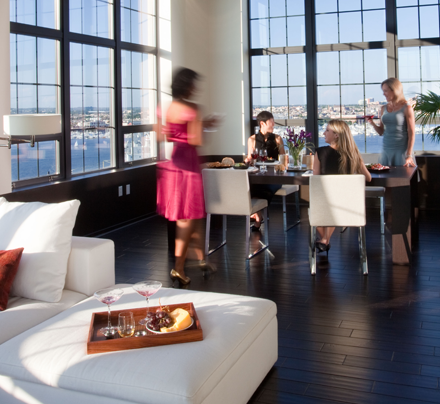
The condo units will have ceilings as high as 18 feet, some with floor-to-ceiling
windows. Units near the top of the skyscraper will have windows on either side,
with views for miles. No other building nearby approaches the 22-story height,
and the zoning says no new buildings can be more than 35 feet tall.
Turner is planning to market heavily to the Washington crowd for three big
reasons, he says: The I-95 ramp is only a couple of turns away; the prices
will run from $399,000 up, which he says is reasonable for the "unique" views;
and "it's probably the safest neighborhood here. There's only one way
in and one way out."
Turner says Baltimore is in its "second or third generation" of revival,
and he thinks it's primed for more. Johns Hopkins University and the University
of Maryland medical school, which he points out from the rooftop during the
tour, are growing continuously and drawing private industry.
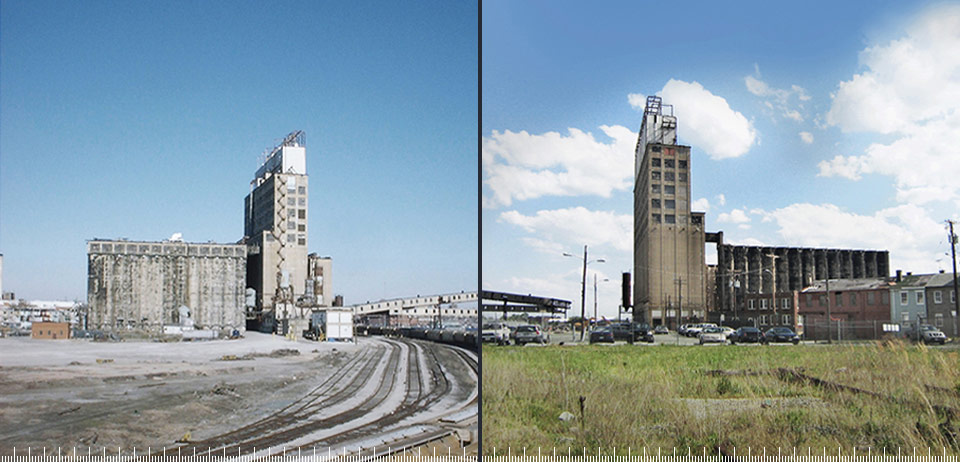
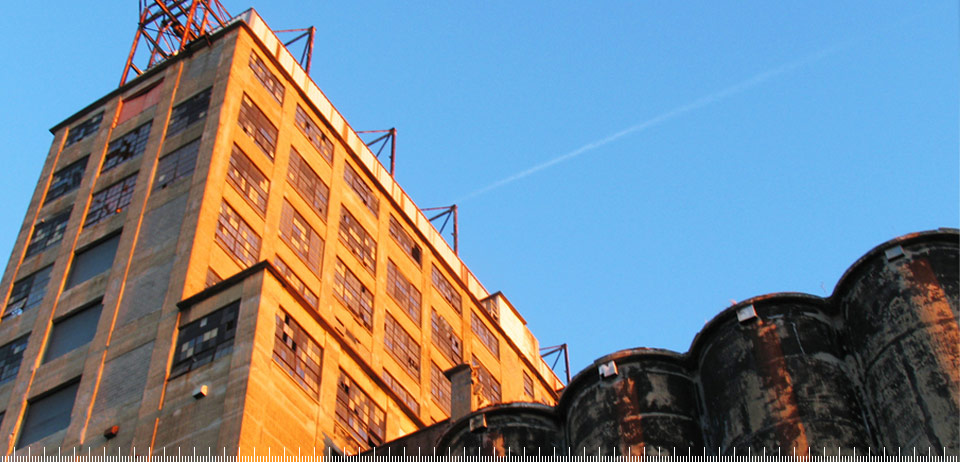
It is a jolt, though, to see the thin, boxy concrete structure now, standing
in a mud field, with its crown of corrugated metal and steel girders and its
banks of broken windows, which start halfway up the building.
But the developer has a history of seeing the potential of places such as Federal
Hill, where he got in early, and of converting former industrial sites to residential
or mixed use. Turner is also involved in redeveloping a massive industrial
area nearby called Westport, which would extend the transformation of Baltimore's
waterfront from industrial to upscale mixed use. Like Fells Point and Canton,
Locust Point has been the focus of concentrated public- private ventures. The
result has been potent -- home prices of $600,000 are now considered normal.
Chris Pfaeffle, a principal with Parameter Inc. architects in Baltimore who
specializes in "adaptive reuse" of industrial buildings, theaters
and schools, has spent 21/2 years on the Silo Point design.
You can find Silo Point tucked behind a neighborhood of classic Formstone and
brick rowhouses, renovated industrial buildings, still- operating factories,
and a mix of old bars and new cafes.
The resurgence shows in for-sale signs and gutted townhouses busy with workmen
behind plastic sheeting. A classic Domino Sugar sign sits high above the fray
to one side, marking a factory that is still running, while the rejuvenated
Phillips Foods Inc. headquarters dominates another corner.
The first glimpse of the elevator itself comes as one you turn a corner into
a mostly residential neighborhood. The narrow building peeks up behind the
houses.
Two groupings of concrete storage silos sit a short distance from the elevator,
the only silos left from what had once been an assemblage of about 180.
Each grouping has eight. They're blackened -- not from soot or decay, but intentionally
for protection against the elements, according to Turner. The two sets of silos
were kept to anchor the 550-car garage as another reminder of the past. Pfaeffle
plans to reinforce the "industrial aesthetic" with other touches,
including landscaping with grasses or wheat. He also plans to build a mound
of dirt on one side to show "the amount of grain that could be stored
in one silo. It will be sort of like an obelisk in Rome."
The architect is repeating the scale of the design elements in the original
building wherever possible. "The plant was built on a 16-foot-by-16-foot
module," he says. "Every column, every silo is based on that scale.
So we have carried that grid to the new construction to preserve the integrity
of the project."
Turner bought the 15-acre site from Archer Daniels Midland in 2003 for $6.5
million, according to published reports, and says he expects to spend about
$400 million on the transformation. The facility was built in the early 1920s
as a transfer station for the B&O Railroad, then passed to two agricultural
processing companies. It was shut down in March 2003 by ADM.
Turner says he pestered ADM to sell the elevator while it was still operating
because he "could see the industry was changing" and that factories
and transportation facilities were being moved from urban areas like Baltimore's.
ADM finally agreed after deciding to close it, he says.
The site has been graded down to red mud and a couple of large concrete pads.
Turner plans to build on those pads later. About 130,000 square feet of office
space and 25,000 square feet of retail space are permitted by current zoning.